Radio Ndarason Internationale: October 26, 2025
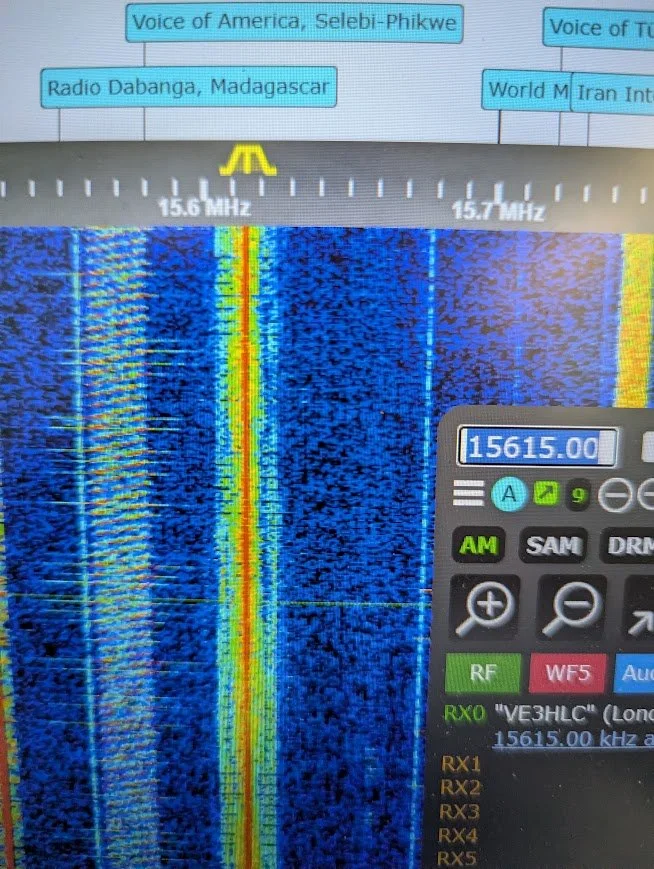
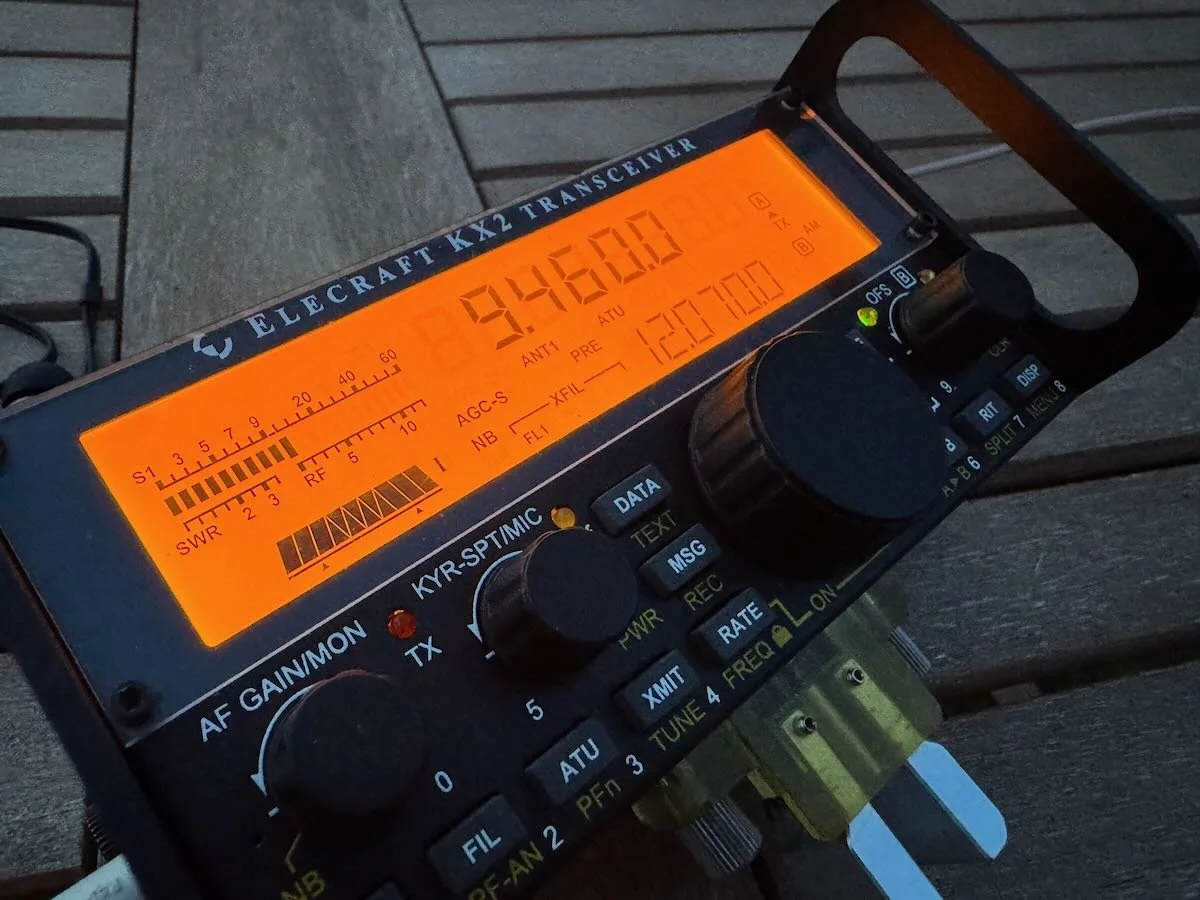
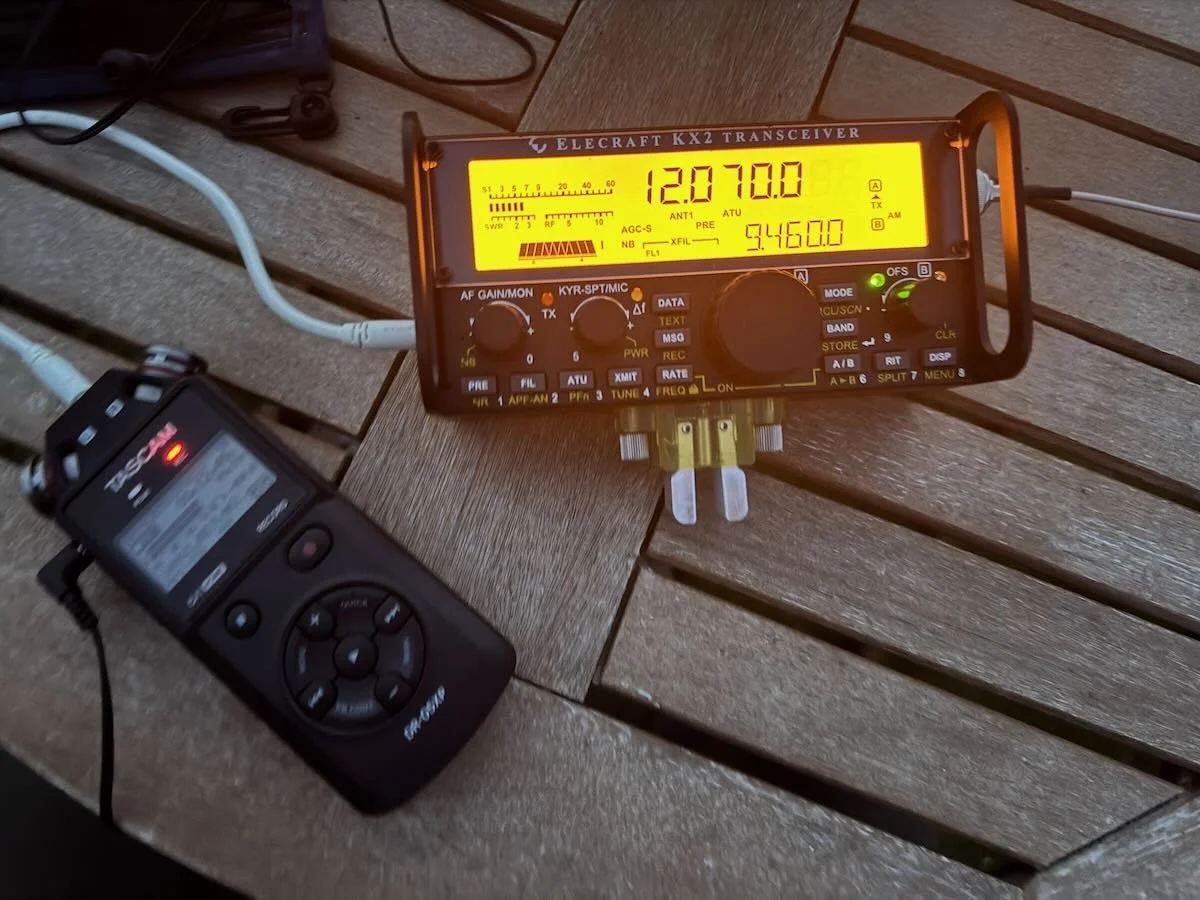
/Many thanks to SRAA contributor Paul Walker, who shares the following field recording of Radio Ndarason Internationale on 12,050 kHz made on October 26, 2025 at 1836 UTC in McGrath, Alaska.
Many thanks to SRAA contributor Paul Walker, who shares the following field recording of Radio Ndarason Internationale on 12,050 kHz made on October 26, 2025 at 1836 UTC in McGrath, Alaska.
Many thanks to SRAA contributor Paul Harner, who shares the following recording and notes:
Broadcaster: Radio Netherlands 'Media Network' Program
Date of recording: April 29, 1982
Starting time: Unknown
Frequency: unknown
Reception location: St.Louis, MO
Receiver and antenna: Sony ICF-2001
Notes: This is a partial recording of "Media Network," though most of the program is on this recording. My interest in this specific show was the feature on Radio Luxembourg, This program is not in the Jonathan Marks archive of his "Media Network" shows.
Many thanks to SRAA contributor Paul Harner, who shares the following recording and notes:
Broadcaster: Radio Union, Lima Peru July 1994
Date of recording: July 01, 1994
Starting time: 0730-0815 UTC
Frequency: 6115 kHz
Your location: St.Louis, MO
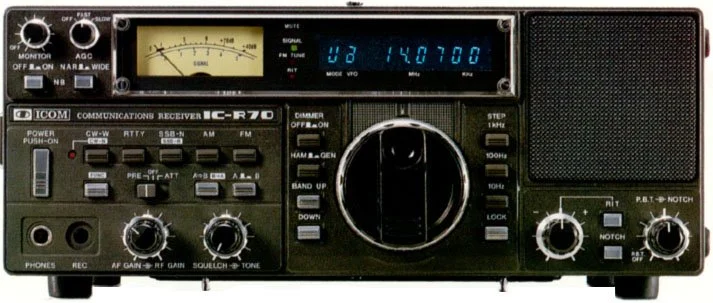
Your receiver and antenna: Icom IC R-71-A
Mode: Single Side Band
Notes: Radio Union in Lima was a longtime favorite station of mine from the late 1980s through the 1990s. Radio Union was well heard in the overnight hours, and featured salsa, chicha, and huayno music. Long after it left shortwave, I listened to the station online, until it closed down a few years ago.
Many thanks to SRAA contributor Paul Harner, who shares the following recording and notes:
Broadcaster: Radio Netherlands 'Media Network' Program
Date of recording: April 23, 1987
Starting time: Unknown
Frequency: Either 6165 or 9590 kHz
Reception location: St.Louis, MO
Receiver and antenna: Icom IC R-71-A
Notes: I recorded "Media Network" using a timer, and reused these tapes weekly. In this case, it became a time capsule. It is also not a show that is on Jonathan Marks' archive site.
Many thanks to SRAA contributor Paul Harner, who shares the following recording and notes:
Broadcaster: Voice Of America 'Breakfast Show"
Date of recording: August 02, 1975
Starting time: Unknown
Frequency: unknown
Your location: St.Louis, MO
Your receiver and antenna: Multi-Band portable
Many thanks to SRAA contributor Dan Greenall, who shares the following recording and notes:
Broadcaster: Radio Barquisimeto, Venezuela 1970
Frequency: 4.990 MHz
Reception location: Ancaster, Ontario, Canada
Receiver and antenna: Hallicrafters S-52 using a longwire antenna
Notes: On 4990 kHz shortwave, Radio Barquisimeto in Venezuela was one of the "regulars" on the 60 metre band here in southern Ontario Canada during the evening hours in the 1970's. On nearby 4980 kHz, you could find Ecos del Torbes from San Cristobal.
Many thanks to SRAA contributor Paul Walker, who shares the following field recording of the BBC World Service on 9410 kHz made on September 28, 2025 at 0603 UTC in McGrath, Alaska. Paul notes that this was an exceptionally strong signal to have been received in McGrath, Alaska.
Many thanks to SRAA contributor David Goren, who shares the following recording of Emisoras Jesús del Gran Poder Quito, which he recorded on cassette tape, most likely in the summer of 1989. This broadcast was received on 5050 kHz.
Many thanks to SRAA contributor Paul Walker, who shares the following field recording of the BBC World Service (French Language Service) on 13790 kHz made on Sept 20, 2025 at 1815 UTC in McGrath, Alaska.
Many thanks to SRAA contributor Paul Walker, who shares the following field recordings of the BBC World Service on 9410 kHz made on September 19, 20, and 25, 2025 at 0458 UTC in McGrath, Alaska. Paul notes:
The English feed via Ascension to West Africa operates from 05:00 to 07:00 UTC on several days in late September, featuring something rare: the carrier is switched on, followed by a brief silence and then an interval signal. This sequence occurs every time I hear this transmission sign on, but I have noticed it almost nowhere else on BBC World Service shortwave, which usually just “crash starts” and ends abruptly.
View from the roof of the RCI Sackville, New Brunswick Transmitting Station (Photo: Thomas Witherspoon)
Many thanks to SRAA contributor William Parmley, who found several cassette tapes with off-air recordings he made in the 1980s. Here are Bill’s notes for this recording:
SWL Digest on Radio Canada International with Ian McFarland, April 26, 1986, plus an excerpt from the same program on the next day, April 27, 1986. Includes a brief telephone interview with me. (40:57)
An image of the Giotto spacecraft during construction (Source: ESA)
Many thanks to SRAA contributor William Parmley, who found several cassette tapes with off-air recordings he made in the 1980s. Here are Bill’s notes for this recording:
BBC transmission live during the encounter of the Giotto space probe with Haley’s Comet, March 13, 1986. (43:45)
Comet Halley at Giotto spacecraft's closest approach (Source: ESA)
Many thanks to SRAA contributor David Goren, who shares the following recording and notes.
This recording captures Radio Macapá, Brazil, clearly identified several times on the air. David discovered it on a cassette tape.
While the exact date is uncertain, David believes it could be from 1988, though he notes he was still recording to cassette into the early 2000s. The absence of CODAR interference—common on the bands starting in the early 1990s—suggests the recording likely predates that period.
Though not as unusual as some of David’s other finds, this recording remains a fine example of Brazilian shortwave broadcasting and a valuable slice of radio history. Enjoy and feel free to comment with any other details that may help date this recording.
Many thanks to SRAA contributor, Bob Purse, who shares the following recording and notes from his excellent website Inches Per Second:
Somewhere along the line I managed to acquire a whole bunch of someone's tapes of Australian shortwave broadcasts from the 1960's and 1970's. My un-listened-to tapes in my basement have gotten jumbled around several times over the years, so a lot of collections which were once stacked all in one place are now scattered amongst the stacks down there. And so it is that this week, I found yet another tape of Australian shortwave recordings. The recordings only include the day of the week and the date, not the year, but based on those days and dates, and the contents of the broadcasts, I am surmising the first of these to be from September of 1968 and the other to be from nearly exactly two years later.
The 1970 tape [included here] is considerably clearer in sound quality [than the 1968 recording posted last week].
Many thanks to SRAA contributor, Bob Purse, who shares the following recording and notes from his excellent website Inches Per Second:
Somewhere along the line I managed to acquire a whole bunch of someone's tapes of Australian shortwave broadcasts from the 1960's and 1970's. My un-listened-to tapes in my basement have gotten jumbled around several times over the years, so a lot of collections which were once stacked all in one place are now scattered amongst the stacks down there. And so it is that this week, I found yet another tape of Australian shortwave recordings. The recordings only include the day of the week and the date, not the year, but based on those days and dates, and the contents of the broadcasts, I am surmising the first of these to be from September of 1968 and the other to be from nearly exactly two years later.
The 1968 recording starts off difficult to hear and grows progressively worse - this is not an easy to listen to tape - such are the vagaries of listening to short wave broadcasts. The 1970 tape is considerably clearer in sound quality.
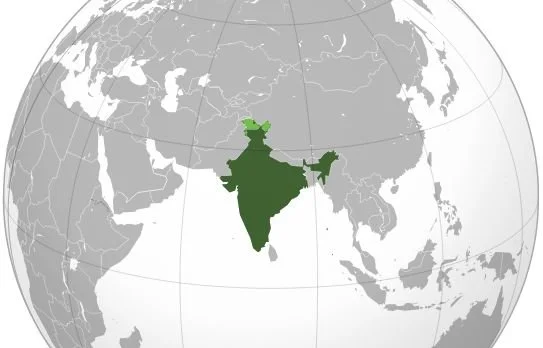
Many thanks to SRAA contributor Carlos Latuff, who shares the following field recording of All India Radio on 9620 kHz made on August 20, 2025 at 19:34 UTC in Porto Alegre, Brazil.
Many thanks to SRAA contributor Paul Walker, who shares the following field recording of the Voice of Korea on 11,910 kHz made on August 29, 2025 at 18:51 UTC in McGrath, Alaska. Paul notes that the recording begins in French then moves to their English language service.
Many thanks to SRAA contributor David Goren, who shares the following recording of Radio Gjirokaster recorded in January 1988. David notes that a column in MT from 1988 reported the frequency as 5057 kHz, although he logged it as 5060 kHz at the time. David was using his Panasonic RF-2900 as a receiver. He has also kindly shared the following photos of his logs and the cassette tape notes.
David notes:
Found this little scrap on an old cassette…it’s the middle of a recording of the Road Gang, the trucking show I was obsessed with at the time…and of course I would tune around during it sometimes and I marked the cassette…I have Gjirokaster and Yerevan in the same segment
Many thanks to SRAA contributor Carlos Latuff, who shares the following recording and illustrated listening report for this Voice of Vietnam broadcast celebrating their 80th anniversary. This recording was made on September 7, 2025 at 20:39 UTC on 11,885 kHz from Rio de Janeiro, Brazil:
Many thanks to SRAA contributor, Dan Greenall, who shares the following recording and notes:
Broadcaster: Radiodiffusion du Dahomey, Circa 1971
Frequency: 4.870 MHz
Reception location: Ancaster, Ontario, Canada
Receiver and antenna: Hallicrafters S-52 using a longwire antenna
Notes: Prior to 1975, the country of Benin in West Africa was called Dahomey. This recording, made in 1971, is Radiodiffusion du Dahomey in Cotonou signing off for the day. While the signal level on 4870 kHz is only fair at best, the announcement in French can be heard giving frequency information followed by "Ici Cotonou, Radiodiffusion du Dahomey" just before the end of the recording. Reception location was Ancaster, Ontario, Canada and equipment used was a Hallicrafters S-52 and a long wire antenna.
Also attached is a short recording from the 1990's of Radiodiffusion Nationale du Benin in French with a voice announcement and ID just prior to sign off. Also on 4870 kHz, but using a Panasonic RF-3100 receiver and a long wire antenna in Thamesford, Ontario, Canada.
The Shortwave Radio Audio Archive (SRAA) is a collection of shortwave radio recordings that you can download or listen to as a podcast. The collection grows every day and includes both historic recordings and current recordings from the shortwave radio spectrum.
The goal of this site is for shortwave radio enthusiast to have a place to store, archive and share their radio recordings with the world.
Click here to learn how to contribute and archive recordings.
You can subscribe to the archive with any podcasting application by subscribing to our RSS feed. Simply right click and copy this RSS feed url, then paste it into your podcasting application's subscribe box.